
Choosing the right Waterproof Raincoat is not simply a matter of picking the brightest color or lowest price. Global buyers face different conditions, from humid tropical downpours to cold, wind-driven rain. A coat that works in Singapore may feel too thin in London or too bulky in Vancouver. This guide compares seven practical options for different climates, budgets, and daily routines.
Outdoor gear writer and long-time equipment reviewer Chris Townsend offers a useful reminder: “A waterproof jacket is only valuable when people are comfortable enough to keep wearing it.” That idea shapes our evaluation. We look at waterproof ratings, seam sealing, hood adjustment, ventilation, fabric durability, pocket placement, and packability. Small details matter. A stiff zipper can frustrate commuters. A loose hood can flood your collar. Poor ventilation can leave the inside damp, even when rain stays outside.
The selected coats are not perfect. No garment solves every weather problem. Some favor light weight, while others provide stronger wind protection. A few may sacrifice breathability for a lower price. That trade-off deserves honest attention. We also consider sizing consistency, care instructions, repair potential, and supplier reliability. These points are easy to overlook during online purchasing. They should not be.
Whether you need a compact travel layer, a work-ready shell, or a heavy-duty outdoor coat, the following choices provide a clearer starting point. Check the measurements carefully. Weather rarely follows product descriptions.
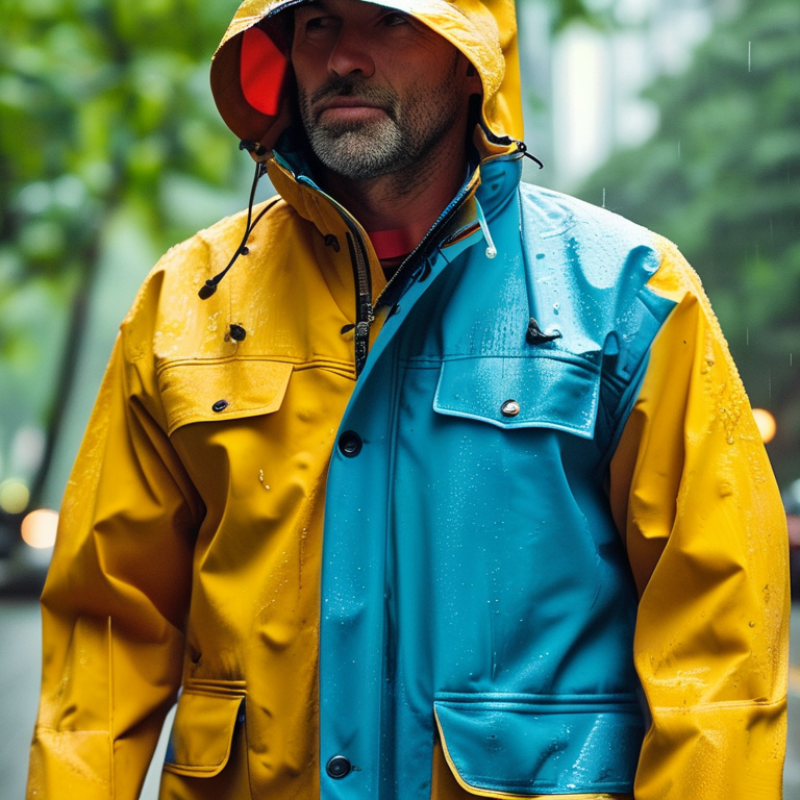
What Makes a Raincoat Truly Waterproof for International Buyers?
A raincoat needs more than a water-repellent surface. Its fabric should resist hydrostatic pressure, measured under ISO 811:2018 or AATCC TM127 testing. These methods press water against fabric until leakage appears. Higher pressure resistance usually means stronger protection during prolonged rain. However, laboratory results can mislead. A coat may pass testing but leak through weak seams, damaged coatings, or poorly sealed zippers.
Seam construction matters greatly. Look for taped seams, covered pockets, and adjustable cuffs. EN 343 classifies high waterproofness at 20,000 Pa after testing and pretreatment. That figure gives buyers a useful comparison point. It does not guarantee comfort. Breathability depends on moisture vapour movement, measured through ISO 11092. Lower RET values indicate better moisture transfer. An RET below 20 is commonly considered breathable for active use. Still, personal exertion changes everything.
The World Meteorological Organization’s State of the Global Climate 2024 report recorded 2024 as the warmest year observed. Unstable weather makes adaptable rainwear more valuable for international buyers. A practical coat should balance waterproof fabric, ventilation openings, light weight, and durable closures. Check performance after washing, not only when new. Coatings can weaken. This detail is often overlooked. A stronger specification is not always a better purchase if the garment feels clammy, noisy, or difficult to pack.

7 Best Waterproof Raincoats for Global Buyers?
Choosing a waterproof raincoat requires more than checking a high water-resistance number. Start with the outer material. Laminated fabrics usually block heavy rain well, while coated nylon or polyester may feel lighter and cost less. Check breathability too. A jacket can resist rain but trap heat during walking. In product inspections, I look for a clear fabric specification, tested performance, and consistent stitching across the sample. Marketing language alone is not enough.
Seam sealing often decides real-world protection. Fully taped seams cover the inside stitching and reduce leakage around shoulders, pockets, and the hood. Critically taped seams may leave lower areas exposed, which can be acceptable for brief showers but weaker in storms. Inspect the tape for lifting, wrinkles, or gaps. Water-resistant zippers, adjustable cuffs, and a storm flap add useful protection. I once focused too heavily on fabric ratings and ignored the hood design. Wind-driven rain quickly exposed that mistake.
Tips: Compare coats under the same conditions. Pour water over the shoulders, bend the elbows, and check the lining afterward. Test pockets with a dry tissue inside. For buyers in tropical regions, prioritize ventilation panels and lighter fabrics. For colder climates, leave room for insulation. Consider repair support and care instructions, because waterproof coatings can weaken after harsh washing. Fit also matters. A perfect specification may fail when sleeves ride up. Even careful comparisons have limits. Supplier samples can differ from bulk production, so request production photos or independent inspection records before ordering.
| Raincoat Option | Shell Material | Waterproof Construction | Hydrostatic Head | Breathability | Seam Sealing | Weight Range | Weather Protection | Best For |
|---|---|---|---|---|---|---|---|---|
| 1. Ultralight 2.5-Layer Shell | 20D–30D recycled nylon or polyester with a waterproof breathable membrane | 2.5-layer laminate; durable water-repellent outer finish | 20,000 mm or higher | 15,000–25,000 g/m²/24 h MVTR | Fully taped; narrow seam tape preferred for low weight | 220–350 g | Excellent protection for heavy rain and wind; limited insulation | Travel, hiking, cycling, and emergency pack use |
| 2. Durable 3-Layer Outdoor Shell | 40D–80D nylon or polyester with a three-layer membrane | 3-layer laminate with protective inner backer | 20,000–30,000 mm | 20,000–40,000 g/m²/24 h MVTR | Fully taped with reinforced shoulder and hood seams | 350–550 g | Very high protection for prolonged rain, wind, and abrasion | Mountaineering, trekking, and frequent outdoor work |
| 3. PU-Coated Commuter Coat | 70D–150D polyester or nylon with polyurethane coating | Coated fabric; often softer and less expensive than a membrane shell | 5,000–15,000 mm | 3,000–10,000 g/m²/24 h MVTR | Fully taped or critically taped, depending on construction | 450–750 g | Good rain protection; moderate breathability during active use | Urban commuting and everyday wet-weather use |
| 4. Longline Storm Coat | 100% polyester or nylon with a laminated or coated waterproof layer | Extended cut with storm flap, adjustable hem, and waterproof front closure | 10,000–20,000 mm | 5,000–15,000 g/m²/24 h MVTR | Fully taped; zipper and pocket openings should have storm protection | 600–950 g | Superior coverage for heavy rain; lower ventilation than short shells | Walking, city travel, and buyers prioritizing full-body coverage |
| 5. Packable 2-Layer Travel Jacket | 30D–50D nylon or polyester with a PU or breathable membrane coating | 2-layer construction with mesh or textile lining | 8,000–15,000 mm | 5,000–12,000 g/m²/24 h MVTR | Critically taped or fully taped; verify pocket seam treatment | 280–450 g | Reliable protection for showers and moderate rain | Business travel, luggage storage, and warm-climate destinations |
| 6. Heavy-Duty PVC-Coated Raincoat | Polyester base fabric with PVC or thick PU coating | Non-breathable coated construction with welded or sewn seams | 15,000–30,000 mm | Not applicable or below 3,000 g/m²/24 h MVTR | Welded seams provide the strongest water barrier; taped seams are acceptable | 700–1,300 g | Outstanding waterproofing; can feel hot during physical activity | Fishing, agriculture, industrial work, and sustained downpours |
| 7. Insulated Winter Rain Shell | 70D–150D nylon or polyester with waterproof membrane and synthetic insulation | Waterproof outer shell with insulated lining and adjustable storm hood | 10,000–20,000 mm | 5,000–15,000 g/m²/24 h MVTR | Fully taped; waterproof zippers or storm flaps recommended | 800–1,400 g | Strong protection from cold rain, wet snow, and wind | Cold climates, winter commuting, and low-to-moderate activity |
7 Best Waterproof Raincoats for Global Buyers?
The best raincoat depends on climate, movement, and daily habits. The WMO State of the Global Climate 2023 reports that intense rainfall risks are increasing in many regions. A thin shell may fail during monsoon travel.
For tropical commuters, choose a lightweight coat with underarm vents and a mesh lining. For monsoon travelers, a longer design with sealed seams offers better coverage. Alpine hikers need a three-layer shell, adjustable cuffs, and space for insulation. Cyclists benefit from a dropped back hem, reflective panels, and a hood that fits beneath a helmet. City professionals may prefer a quiet, tailored coat with a removable hood. Ultralight travelers should select a packable jacket under 400 grams, but durability can suffer. Outdoor workers need reinforced shoulders and pockets that remain usable with gloves.
Check the test evidence. ISO 811 measures resistance to water penetration, while EN 343 classifies protective clothing for rain and breathability. These standards help, but they do not recreate every storm. A coat can pass laboratory testing and still leak through a damaged zipper.
Small details matter.
Look for seam tape, storm flaps, and two-way zippers. Breathability also matters in humid climates. Personal testing is valuable: wear the coat over a sweater, raise both arms, and inspect hood visibility. I would not trust a high waterproof rating alone. Fit, ventilation, and maintenance often decide whether the coat remains useful after months of real weather.
For global buyers, the seven best waterproof raincoats should match real use, not fashion alone. Travel coats need light fabrics, compact packing, and secure inner pockets. A two-way zipper helps when sitting on trains or carrying luggage. Workwear should add reflective details, adjustable cuffs, and space for tools. It should also tolerate repeated cleaning.
Hiking demands stronger protection. Look for taped seams, a three-piece hood, pit zips, and a hydrostatic rating tested under ISO 811 methods. A waterproof rating above 10,000 mm suits regular mountain rain, while 20,000 mm offers greater storm protection. Breathability matters too.
The Outdoor Industry Association’s 2024 report recorded 175.8 million U.S. outdoor participants in 2023, showing why flexible performance clothing matters beyond specialist users. Still, numbers cannot replace field judgment.
Everyday wear needs less bulk. A soft three-layer shell can handle commuting, school runs, and sudden showers. For travel, neutral styling and fast-drying lining reduce packing pressure.
I would not trust a high rating alone; poor seam construction can defeat excellent fabric. A common mistake is choosing a heavy coat for hiking, then overheating after ten minutes. Small details matter.
Check hood movement, pocket access, hem coverage, and sleeve length with a backpack. The best choice may feel slightly boring, but it should remain comfortable after hours of movement.
Choosing the right raincoat size starts with your measurements, not your usual label. Measure your chest over a thin sweater, then compare it with the seller’s chart. Allow 6–10 centimeters for layers and movement. A useful fit test is simple: raise both arms, bend forward, and zip the coat fully. Sleeves should cover your wrists, while the hem should protect your hips when cycling or walking. A 2023 NRF and Appriss Retail report estimated that 17.6% of online purchases were returned in the United States. Poor fit is not the only reason, but careful measuring can reduce avoidable returns. Charts still vary. I have trusted labels too quickly before.
Check performance claims with more care. ISO 811:2018 measures resistance to water pressure, while AATCC TM22 evaluates surface wetting through a spray test. These tests are useful, but they do not guarantee comfort during hours of heavy rain. Look for an adjustable hood, sealed seams, and breathable panels. After use, shake off water and hang the coat fully open. Do not store it damp. Follow ISO 3758 care symbols, wash gently, and avoid fabric softener unless the maker permits it. Heat may damage coatings. Reapplying a durable water-repellent treatment can help when water stops beading, though results may be uneven. Care routines are often underestimated.
Typical waterproof performance benchmarks help buyers compare raincoats for different weather conditions. Higher hydrostatic-head values generally indicate stronger resistance to water pressure.
How to use this chart: Around 1,500 mm is commonly suitable for light showers, 5,000 mm for regular rain, 10,000 mm for prolonged heavy rain, and 20,000 mm or more for demanding wet conditions. Choose a comfortable fit that allows one warm layer underneath, wash according to the care label, and periodically renew the durable water-repellent finish when water stops beading on the outer fabric.
Whether you’re a homeowner, builder, or designer, you’ll find that our elegant cabinets create a breathtaking space that evokes positive emotions and encourages lasting memories. We invite you to explore our website to learn more about who we are and how we can help you.
Woodinville | Bellevue | Seattle | Kirkland | California | Berkeley | Walnut Creek | Roseville, CA
© 2025 Acadia Craft. Powered by Integrity Marketing Serving Woodinville, Kirkland, Bellevue & The Greater Seattle Area
