
10 Flag Pole Buying Tips for Global Buyers

Buying a Flag Pole for an overseas project involves more than choosing a height and finish. A pole may look excellent in a catalog, yet perform poorly beside a windy coastal road. Global buyers must examine material, wall thickness, base design, raising systems, and expected service life. Stainless steel offers a clean appearance, while aluminum reduces weight and handling demands. Fiberglass can suit certain environments, but its surface and repair needs deserve close attention. Small details matter.

This guide presents ten practical buying tips for international purchasers. It considers wind exposure, soil conditions, flag dimensions, packaging, shipping space, installation tools, and replacement parts. A reliable supplier should provide clear drawings, load information, test records, and responsive technical support. Ask for photographs of completed installations. Request references from comparable climates. Confirm warranty terms before payment. Also check whether local contractors can install and maintain the system safely. No checklist is perfect. I have seen buyers focus on price, then discover expensive foundation work later. That mistake is easy to repeat. Careful questions can prevent it. The right Flag Pole should match the site, the flag, the climate, and the realities of long-term ownership.
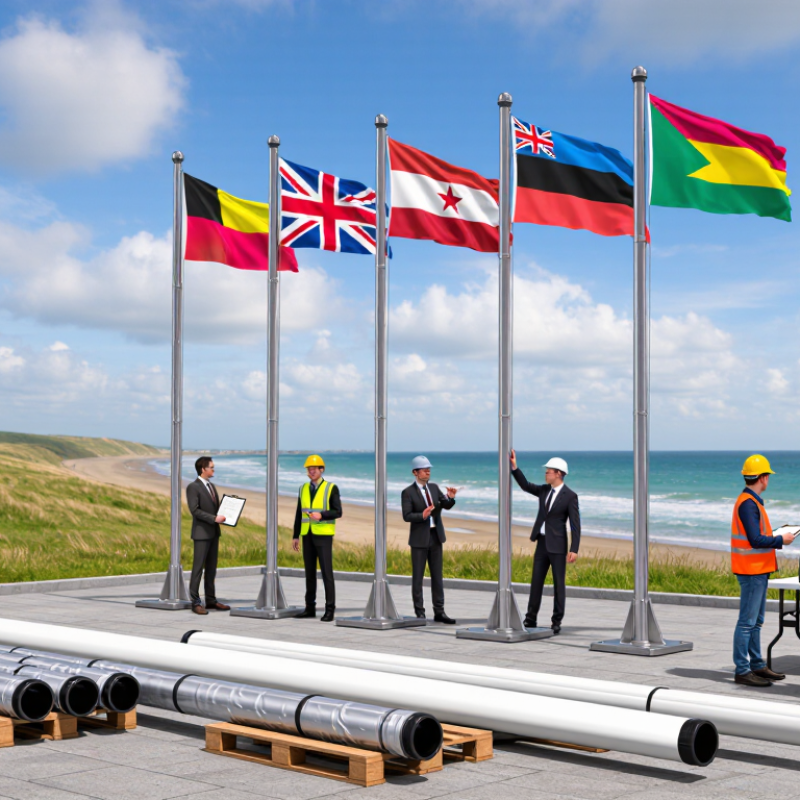
10 Flag Pole Buying Tips for Global Buyers

Define Your Flag Pole’s Purpose, Location, and Required Height

Before choosing a flag pole, define its purpose clearly. A civic entrance, hotel driveway, school courtyard, and private garden need different solutions. Purpose comes before height. A ceremonial installation may require a strong visual presence, while a residential pole should remain balanced with the building. Consider the flag’s size, display frequency, lighting needs, and maintenance access.

Location affects safety, appearance, and service life. Measure the available ground area, nearby trees, walls, driveways, and overhead lines. Leave enough clearance for the flag to move freely in changing wind. Check soil conditions before selecting a foundation. Rocky ground, loose soil, and coastal exposure can change installation requirements. Local building rules may also control height, setback, foundation depth, or lighting. Confirm them with a qualified local professional.

Height should suit the surrounding scale, not simply reach the maximum possible point. A useful field check is to view the proposed position from the main approach road and nearby entrances. The pole should be visible without overpowering the property. I have seen buyers choose impressive heights that later made routine cleaning difficult. That choice looked good on paper. It was less practical in use. Review wind-load data, material strength, hardware quality, and access equipment before ordering. Supplier drawings and installation guidance should match the actual site, not a generic example.

Compare Flag Pole Materials, Designs, and Structural Strength

10 Flag Pole Buying Tips for Global Buyers

Compare Flag Pole Materials, Designs, and Structural Strength

Choosing a flag pole starts with the installation site, not the finish. Measure wind exposure, soil condition, flag size, and available clearance. Aluminum poles are lightweight, corrosion resistant, and easy to transport. They suit many commercial and residential settings. Steel provides greater stiffness, but it needs reliable corrosion protection. Fiberglass resists rust and offers some flexibility during strong gusts. Wood has natural character, yet it requires regular sealing and inspection.

Design affects daily use. A telescoping pole is convenient where storage or access matters. Sectional poles can reach greater heights, but each joint needs careful alignment. Hinged bases simplify maintenance near paved areas. Check the rope system, pulley, cleat, and finial. Small hardware failures can make a strong pole frustrating. A smooth finish is useful, but it should not replace structural testing.

Structural strength depends on more than material thickness. Ask for wind-load data, wall thickness, taper details, and foundation guidance. A heavier pole is not automatically stronger. Poor soil can weaken an otherwise well-designed installation. Inspect welds, connectors, and the ground sleeve before purchase. Product documents should identify tested loads and acceptable flag dimensions. Standards vary by region, so local engineering advice may still be necessary. This comparison is not perfect. Real sites often behave differently than catalog diagrams. Leave room for inspection, repair, and a little uncertainty.

Check Weather Resistance, Safety Features, and Maintenance Needs

Weather resistance should lead every flag pole purchase. The World Meteorological Organization reported that 2023 was the warmest year on record, with more frequent climate extremes affecting many regions. A pole facing intense sun, salt air, freezing rain, or strong wind needs more than a polished surface.

Tip: Request a project-specific wind rating.

ASCE/SEI 7-22 calculates wind pressure from local wind speed, exposure, height, and terrain. At 100 mph, the basic pressure is about 25.6 pounds per square foot before other factors. That figure is not a complete design approval. Ask for foundation depth, soil assumptions, and tested hardware. I would not trust a generic “all-weather” claim without documents.

Safety details deserve equal attention. Choose an internal halyard or lockable system where public access is likely. Inspect pulley wheels, ropes, fasteners, and ground sleeves regularly. The U.S. National Weather Service advises avoiding outdoor structures during lightning, so placement and warning procedures still matter.

Tip: Keep the pole away from walkways, weak branches, and overhead hazards.

Maintenance is often underestimated. The U.S. General Services Administration recommends routine inspection of exterior assets, especially after severe weather. Check for corrosion at joints, water inside the base, loose bolts, cracked coatings, and fabric damage. A small rust spot can become a structural concern. My practical mistake was checking the flag, not the foundation. That is easy to repeat. Record inspection dates, photographs, repairs, and unusual vibration. Conditions vary by site, so local engineering advice remains essential.

Evaluate Global Standards, Customization Options, and Supplier Quality

10 Flag Pole Buying Tips for Global Buyers

Global buyers should examine standards before comparing prices. Flag poles may need wind-load data, material grades, coating specifications, and installation instructions. Requirements can differ between coastal sites, public buildings, and private developments. Ask suppliers which test methods support their structural claims. Request readable reports, not only marketing statements. Details matter.

Customization should match the site, not just the design brief. Confirm pole height, wall thickness, base dimensions, rope systems, lighting provisions, and finish options. A small change in flange size can affect foundation work. Stainless steel may suit humid locations, while powder-coated aluminum can reduce weight. However, material choices need technical review. I have seen attractive specifications fail because drainage and access were ignored.

Supplier quality appears in the process. Check engineering drawings, sample approval, weld consistency, packaging, and replacement-part policies. Ask for production photos with visible measurements. Verify whether the supplier can support installation questions across time zones. A delayed answer is not always a failure, but repeated vague replies deserve caution. Keep written records of tolerances and delivery conditions. One overlooked detail can become an expensive site problem.

Calculate Total Costs, Shipping Requirements, and After-Sales Support

10 Flag Pole Buying Tips for Global Buyers

Calculate Total Costs, Shipping Requirements, and After-Sales Support

The purchase price is only one line in a flag pole budget. Add packaging, inland transport, export handling, ocean freight, insurance, duties, taxes, unloading, and installation. A practical landed-cost formula is: product price plus every delivery and compliance charge. UNCTAD’s Review of Maritime Transport 2023 states that over 80% of global merchandise trade by volume moves by sea. This makes port distance and container availability important cost variables.

Measure the packed pole, not the assembled pole. Record length, diameter, weight, crate material, and stackability. A long aluminum section may need special handling or a dedicated shipment. Ask the supplier for packing photos and a dimensional packing list. The World Bank’s 2023 Logistics Performance Index evaluates customs, infrastructure, shipment quality, and timeliness. Those factors can expose hidden delays between the factory and your site. My own cost checks would include a 10–15% contingency, because port storage and last-mile changes are easy to underestimate. That allowance is not perfect.

After-sales support should be written into the quotation. Request corrosion guidance, installation drawings, replacement-part availability, and a clear warranty procedure. Define response times for damaged sections, missing hardware, and finish defects. Keep spare cleats, brackets, fasteners, and one compatible top fitting when downtime matters. Ask whether technical support uses your time zone and language.

A low price can become expensive when one small part stops installation. Get everything in writing.