10 Essential Tips for Designing Custom Made Cabinets for Your Home
In recent years, the demand for Custom Made Cabinets has significantly surged, driven by homeowners’ desire for personalized solutions that harmonize with their unique aesthetics and functional needs. According to a report by the National Kitchen and Bath Association (NKBA), nearly 60% of homeowners prioritize custom cabinetry when renovating their spaces, understanding that tailored designs not only enhance home value but also cater to individual storage requirements. As expert designer and cabinetry specialist, Mark Thayer, states, "Custom Made Cabinets offer a perfect blend of creativity and functionality, empowering homeowners to transform their spaces in ways that stock options simply cannot."
The customization trend extends beyond mere aesthetics; it reflects a broader shift towards personalization in home design. Homeowners are increasingly looking for materials and finishes that express their personal style while also meeting practical needs. A survey by Remodeling magazine highlights that high-quality custom cabinetry offers a remarkable return on investment, with homeowners recouping up to 70% of the cost upon resale. This growing appreciation for Custom Made Cabinets encapsulates the essence of modern interior design, where individuality and craftsmanship play pivotal roles in creating inviting, functional living spaces.
As you embark on the journey of designing your Custom Made Cabinets, it's essential to consider key aspects that will not only beautify your home but also ensure functionality and durability. These essential tips will help you navigate the intricacies of cabinet design, ensuring that your selections resonate with your personal vision and enhance your living environment for years to come.

Understanding Your Space and Storage Needs for Custom Cabinets
When designing custom cabinets, understanding your space and storage needs is crucial to achieving a functional and aesthetically pleasing result. Begin by thoroughly assessing the dimensions of your area. Take precise measurements of your walls, ceilings, and any existing furniture to identify potential obstacles and available spaces. This step will not only help you maximize your storage but also ensure that your cabinets harmonize seamlessly with your home’s design.
Consider the style of your home and how the cabinets will interact with both your current decor and architectural elements.
Next, evaluate your storage requirements by reflecting on your daily habits and the items you need to store. Different rooms have unique storage challenges; for example, kitchens typically require spaces for pots, pans, and appliances, while a home office might require shelves for books and files. Think about incorporating features like pull-out shelves, adjustable shelving, or built-in organizers that enhance accessibility and efficiency. By aligning your cabinet design with your specific storage needs, you can create a personalized solution that not only meets your functional demands but also elevates the overall design of your space.
Choosing the Right Materials for Durability and Aesthetics
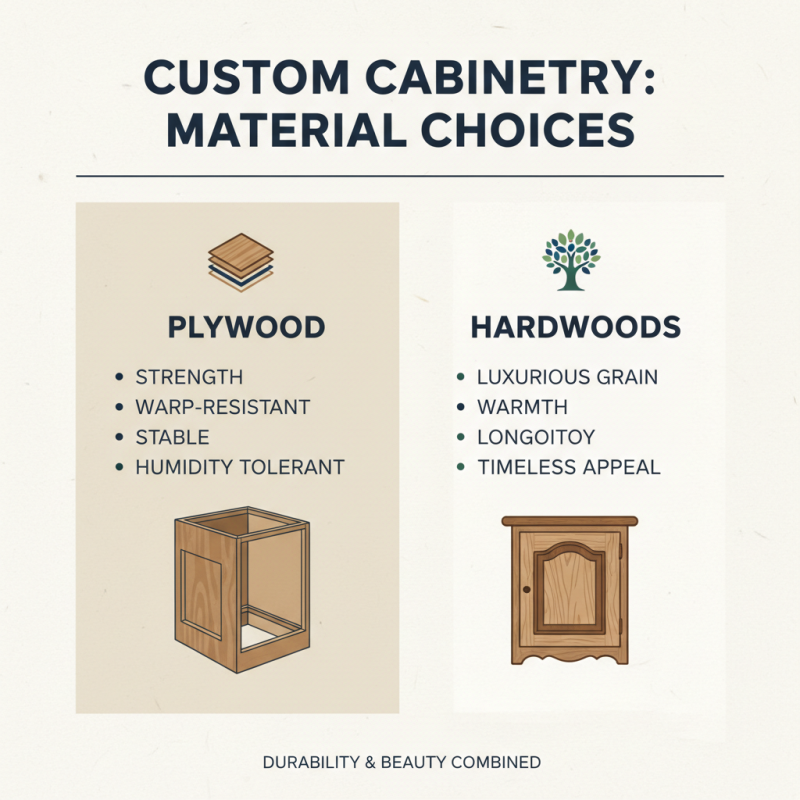
When designing custom-made cabinets, selecting the right materials is crucial for achieving both durability and aesthetic appeal. One of the most popular choices for cabinetry is plywood, known for its strength and resistance to warping. It offers a stable foundation that stands up well in fluctuating humidity levels, making it an ideal option for kitchen and bathroom cabinetry. For a more luxurious look, hardwoods such as maple or oak can be used, providing a beautiful grain that adds warmth and character to any space. While more expensive, the longevity and timeless appeal of solid wood make it a worthwhile investment.
Another important consideration is the finish applied to the cabinets. A high-quality veneer can enhance the visual attractiveness while offering a protective layer against everyday wear and tear. Additionally, laminates can provide a cost-effective alternative, available in various colors and patterns that mimic the look of natural wood. It’s essential to balance aesthetics with functionality; materials that are easy to clean and maintain will help preserve the cabinets' beauty for years to come. By carefully considering both durability and style, homeowners can create custom cabinets that not only serve their practical needs but also elevate the overall design of their home.
Selecting Appropriate Styles and Finishes for Your Home Design
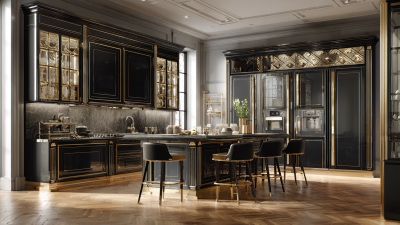
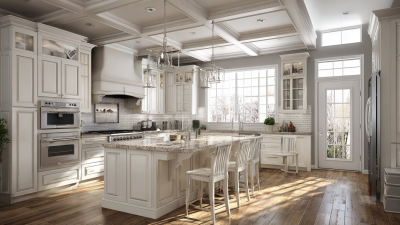
When designing custom-made cabinets, selecting the appropriate styles and finishes plays a pivotal role in enhancing the overall aesthetic and functionality of your home. According to a recent report by the Kitchen and Bath Association, 70% of homeowners prioritize cabinet finishes when undertaking renovations, highlighting the importance of this aspect in achieving a cohesive design. The choice of materials—ranging from natural woods to contemporary laminates—can profoundly affect the mood and ambiance of a room. For instance, lighter finishes often create an open and airy feel, while darker woods can add warmth and sophistication to a space.
Additionally, incorporating cabinetry styles that align with your home's architecture is essential. The same industry report indicates that transitional and modern styles are currently gaining popularity, appealing to 60% of homeowners due to their versatility and timeless appeal. For a more traditional look, rich wood tones and ornate details can complement classic designs, whereas sleek lines and minimalistic hardware resonate well with modern aesthetics.
By carefully considering both style and finish, homeowners can ensure their custom cabinets not only serve a functional purpose but also reflect their personal taste and harmonize beautifully with the overall interior design.
Incorporating Functionality: Organizers and Layout Considerations
When designing custom-made cabinets, incorporating functionality is crucial to maximizing both the space and the utility of your home. One effective strategy is to include built-in organizers tailored to your specific needs. Consider incorporating features such as pull-out shelves, soft-close drawers, and integrated dividers to keep your essentials neatly arranged. For instance, a spice drawer with tiered levels allows for easy visibility and access, while a pull-out pantry can turn a narrow cabinet space into a highly functional area for food storage.
Layout considerations are equally important when designing your cabinetry. Assess the flow of the room and how you interact with the space daily. Position frequently used items within easy reach to enhance efficiency. Utilizing vertical space by extending cabinets to the ceiling can also help in creating a seamless look while providing additional storage capabilities. Additionally, think about the placement of cabinets in context with other elements like countertops and appliances to ensure a cohesive design that works harmoniously for your lifestyle. With careful planning, your custom cabinets can be both aesthetically pleasing and remarkably functional.
Planning for Installation: Measurements, Timing, and Professional Help
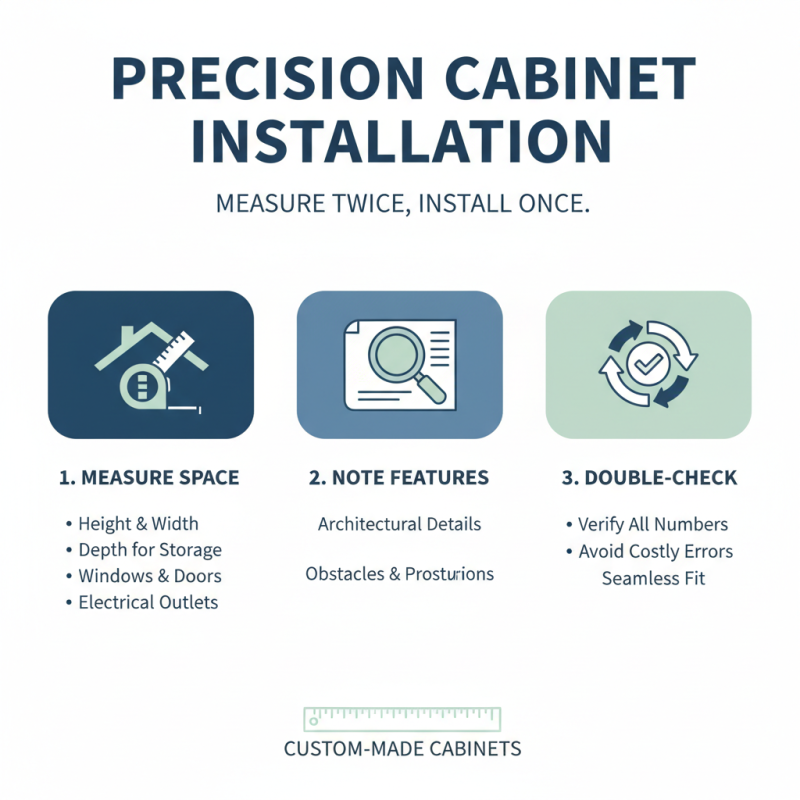
When planning for the installation of custom made cabinets, precise measurements are crucial to ensure a seamless fit. Start by measuring the available space where the cabinets will be installed, taking note of any architectural features such as windows, doors, and electrical outlets. It’s essential to measure both the height and width of the area while also considering the depth of the cabinets based on your storage needs. Double-check these measurements to avoid costly mistakes, as even a small error can lead to ill-fitting cabinetry.
Timing is another critical factor in the installation process. It’s advisable to create a timeline that outlines when measurements will be taken, when the cabinets will be built, and when the installation will occur. This helps to coordinate with other renovation projects and ensures that every step flows smoothly. Additionally, consider hiring professional help for the installation, especially if the design is complex or requires specific expertise. Professionals can bring valuable experience to the table, ensuring that the cabinets are installed correctly and efficiently, which ultimately saves homeowners time and stress.