Best Kitchen Cabinets Manufacturers in China?
Choosing the Best Kitchen Cabinets manufacturers in China requires more than comparing attractive catalog photos. Buyers must examine material quality, construction methods, factory experience, and export reliability. A cabinet may look elegant online, yet feel weak when its hinges loosen or its finish changes under kitchen humidity.
Johnny Grey, a respected British kitchen designer, said, “The kitchen is the most important room in the house.” His observation explains why cabinet selection deserves careful attention. Reliable Chinese manufacturers should offer clear specifications for plywood, MDF, particleboard, hardware, edge sealing, and surface finishes. They should also provide practical samples, detailed drawings, and stable quality control.
Small details matter.
Look for manufacturers with documented production experience and transparent inspection procedures. Ask whether they manage moisture-resistant materials, soft-close hardware, custom dimensions, and replacement parts. International certifications can support credibility, but certificates alone do not prove consistent workmanship. Factory videos, independent inspections, and customer references provide stronger evidence.
The best suppliers usually communicate clearly before receiving an order. They confirm measurements, packaging standards, installation requirements, and delivery schedules. That discipline reduces costly surprises. Still, no ranking is perfect. A manufacturer praised by one buyer may disappoint another because project needs, budgets, and expectations differ.
This guide evaluates leading Chinese kitchen cabinet manufacturers through a practical lens. It considers design capability, manufacturing technology, material transparency, customization, pricing, after-sales support, and documented project experience. The goal is not to promise a flawless choice. It is to help buyers ask better questions before selecting their Best Kitchen Cabinets partner.
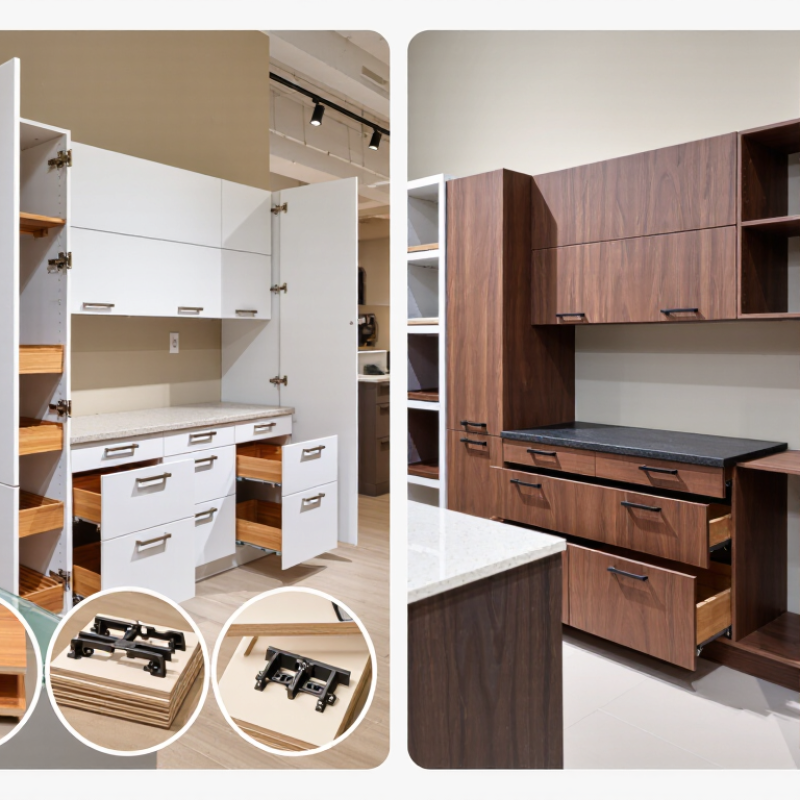
China’s Kitchen Cabinet Manufacturing Industry at a Glance
China’s kitchen cabinet manufacturing industry is large, export-oriented, and increasingly automated. The China National Furniture Association reported furniture industry revenue of approximately RMB 655.7 billion in 2023. Revenue fell 5.96% year on year, showing that scale does not remove market pressure. Kitchen cabinets remain closely connected to housing, renovation, and overseas project demand.
Factory capability varies widely. A reliable manufacturer should show panel moisture records, edge-sealing procedures, and batch inspection results. Look for automated cutting lines, dust-controlled workshops, and clear hardware testing standards. The General Administration of Customs reported China’s furniture exports at roughly US$74 billion in 2023. This figure covers many furniture categories, not cabinets alone. Still, it reflects China’s strong manufacturing and logistics base.
Details matter. Ask how a factory checks a 600-millimeter cabinet door after repeated opening cycles. Examine the corner joints, drawer alignment, and the finish under bright light. Product consistency is often more important than a polished showroom. Public statistics rarely separate kitchen cabinets from the wider furniture sector, which limits precise comparisons. That gap deserves attention. Buyers should verify production capacity through current records, samples, and independent inspections rather than relying only on catalog claims.
Sources: China National Furniture Association, 2023 Furniture Industry Report; General Administration of Customs of China, 2023 Trade Statistics.
Key Criteria for Evaluating Chinese Cabinet Manufacturers
Choosing among kitchen cabinet manufacturers in China requires more than comparing photographs and quoted prices. A polished showroom proves little. I would inspect the production floor, material storage, and final inspection area personally or through an independent auditor. Check whether plywood, particleboard, hinges, and finishes match the approved sample. Small differences often become expensive after installation.
Reliable manufacturers explain their construction methods clearly. Ask about moisture resistance, edge sealing, coating thickness, hardware adjustment, and cabinet load testing. Request factory drawings with exact dimensions, drilling positions, and installation tolerances. A professional supplier should provide traceable material records, inspection reports, and a realistic production schedule. Vague promises are a warning sign.
Communication also deserves careful evaluation. Measure response time, technical accuracy, and willingness to report defects. Before placing a large order, approve a full-size sample cabinet, not only a door panel. Photograph its joints, back panel, drawer movement, and surface under direct light. My first factory review focused too much on price and showroom design. That was a mistake. I later learned that packaging quality, replacement procedures, and written responsibility matter just as much. Even experienced buyers can overlook hidden costs, especially when drawings change late. A dependable manufacturer welcomes difficult questions and records every decision.
Leading Kitchen Cabinet Manufacturers and Their Strengths
Best Kitchen Cabinets Manufacturers in China?
Leading Kitchen Cabinet Manufacturers and Their Strengths
China’s leading kitchen cabinet manufacturers compete through scale, customization, and production discipline. The 2024 Houzz U.S. Kitchen Trends Study reports that 76% of renovating homeowners upgrade cabinetry. That demand rewards factories with flexible layouts, durable hardware, and accurate measurements. Strong manufacturers typically combine automated cutting with skilled manual inspection. This balance matters when a tall pantry must align with a narrow wall.
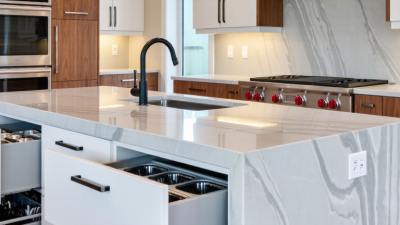
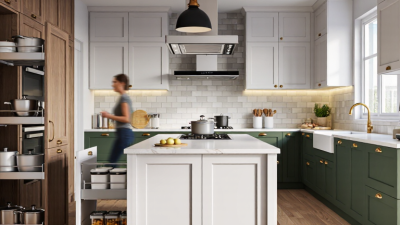
Material control is another practical strength. Established factories can source plywood, engineered panels, hinges, and drawer systems in large volumes. They often provide moisture-resistant finishes, edge-banding options, and low-formaldehyde panels. The NKBA 2024 Design Trends Report highlights storage efficiency and integrated functionality as continuing kitchen priorities. Manufacturers responding well offer pull-out units, concealed organizers, and appliance-ready designs. Small details matter.
Quality still varies.
A professional buyer should request panel test reports, hardware cycle-test records, finish samples, and a pre-production drawing. ISO-based quality systems can support consistency, but certification alone does not prove good workmanship. That assumption needs testing. Factory audits should examine dust control, packaging, assembly tolerances, and corrective-action records. The China National Accreditation Service for Conformity Assessment emphasizes traceable laboratory and inspection processes, which supports more reliable supplier evaluation. In practice, the best partner is not always the largest facility. Communication speed, sample accuracy, and honest handling of defects often reveal more.
Best Kitchen Cabinet Manufacturers in China: Key Strengths
This chart presents a neutral evaluation framework for Chinese kitchen cabinet manufacturers. The scores reflect the relative importance of common purchasing criteria, including manufacturing scale, customization capability, material quality, quality control, export experience, and production efficiency. The values are benchmark weights rather than data from any individual company or brand.
Manufacturing Standards, Materials, and Customization Options
Choosing the best kitchen cabinet manufacturer in China requires more than comparing factory prices. A reliable supplier should document panel sources, production controls, and testing procedures. Ask for current certificates, not scanned promises. Relevant evidence may include ISO 9001 systems and emissions testing under CARB Phase 2, TSCA Title VI, or applicable EN standards. Inspect edge sealing, drilling accuracy, hardware alignment, and moisture protection. A two-millimeter error can disrupt an entire installation. In practical sourcing, showroom quality can hide inconsistent workshop discipline. An independent pre-shipment inspection remains worthwhile.
Material selection should match the room, budget, and expected use. Plywood offers strong screw holding and better moisture tolerance, while MDF provides a smoother painted surface. Particleboard can be economical, but its core quality and edge sealing deserve close checking. Solid wood adds character, yet humidity changes may affect door alignment. For finishes, compare PET, acrylic, melamine, thermofoil, and lacquer samples under natural light. Touch the edges. Look for swelling, uneven gloss, and visible joints. Low-formaldehyde claims should be supported by laboratory reports and batch traceability.
Customization is where capable manufacturers separate themselves from catalog resellers. Request shop drawings before production, including appliance gaps, filler panels, ventilation spaces, and wall irregularities. Useful options include frameless or face-frame construction, concealed hardware, pull-out storage, drawer organizers, and made-to-measure fillers. CNC machining improves repeatability, but it cannot correct inaccurate measurements. Confirm color codes, sample approval, packaging details, replacement procedures, and installation responsibility in writing. A sample may still disappoint after mass production. That risk needs honest discussion. Choose a manufacturer willing to explain limitations, revise drawings, and provide traceable quality records.